



Extended Producer Responsibility (EPR)
Comply. Contribute. Close the loop.
 Sustainability
Compliance
Efficiency
Circularity
Transparency
Regeneration
Expertise
Optimization
Impact
Innovation
Sustainability
Compliance
Efficiency
Circularity
Transparency
Regeneration
Expertise
Optimization
Impact
Innovation
Our 5-Step process for EPR Compliances

Get Registered
We take care of the entire registration process with the Central or State Pollution Control Boards, so your business is ready to take on its environmental responsibilities.

Organize & Enable Waste Collection
Using our network of partners, we arrange the collection of all categories of waste relevant to your industry - like plastics,e-waste, battery waste, and more.

Ensure Eco-Friendly Processing
Your collected waste is routed to authorised recyclers or co-processors for safe, sustainable, and compliant disposal.

Secure EPR Credits
We facilitate the transfer of EPR credits that fulfill your mandated targets.

File Your Quarterly/ Annual Returns
Our team handles all documentation and submissions on the centralised CPCB portal - accurately and on time, every time.
What We Manage
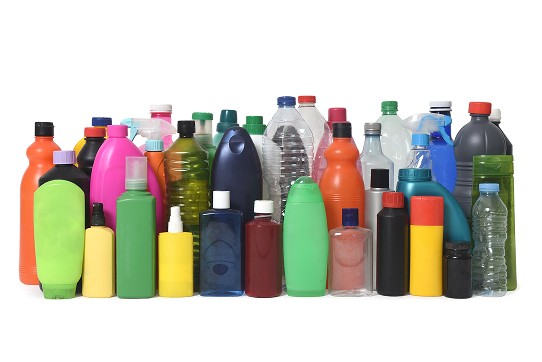
Plastic Waste
Applicability
- Producer- Manufacturing of plastic packaging and third-party contract manufacturers
- Importer- Imports plastic packaging, raw materials or any commodity with plastic packaging
- Brand Owner- Selling any commodity under a registered brand label or trade mark (Micro and Small enterprises are exempted)
- Plastic Waste Processor engaged in recycling, waste to energy, waste to oil, and industrial composting
- Manufacturer or Importer of plastic raw material
- Seller- of plastic raw material (resins/ pellets/ intermediate material used for producing plastic packaging)
Category I: Rigid

Category II: Flexible

Category III: Multilayered Plastic (MLP)

Category IV: Compostable
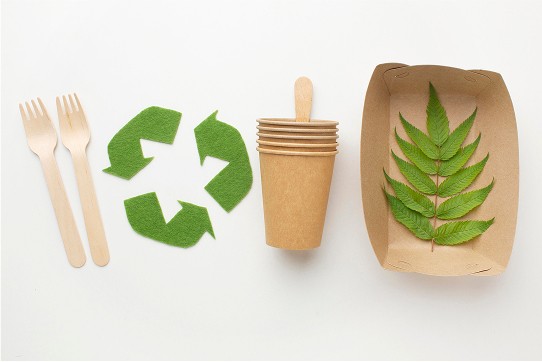
Category V: Biodegradable
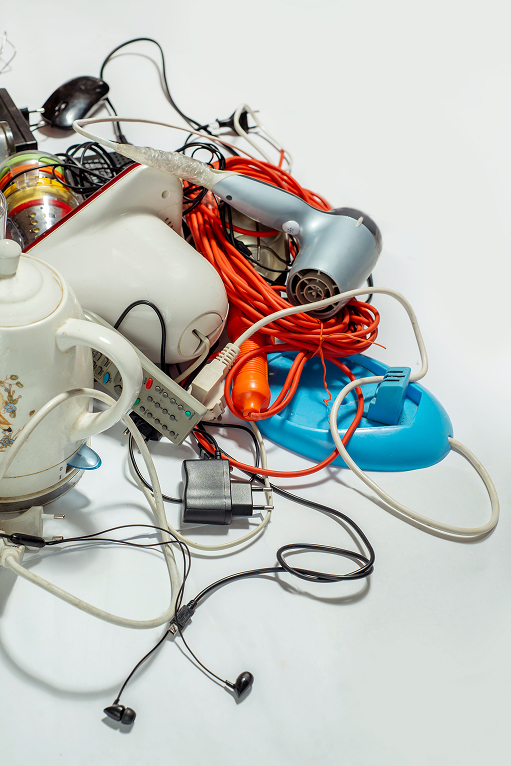
E-Waste
Applicability
- Manufacturer- Manufacturer of electrical and electronic equipment (EEE)
- Producer-
- Manufacture/ seller of EEE and their components/ parts/ spares under its own brand
- Offers to sell under its own brand, assembled EEE and their components/ spares produced by other manufacturers or suppliers
- Offers to sell imported EEE and their components/ spares
- Imports used EEE.
- Refurbisher- Repairing or assembling and selling EEEs.
- Recycler- Recycling and reprocessing or assemblies EEE or their components/ parts for recovery
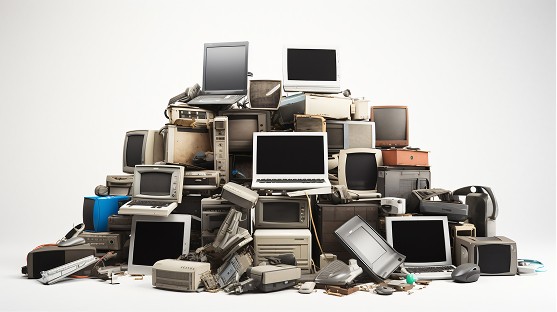
Information Technology and Telecommunication Equipments
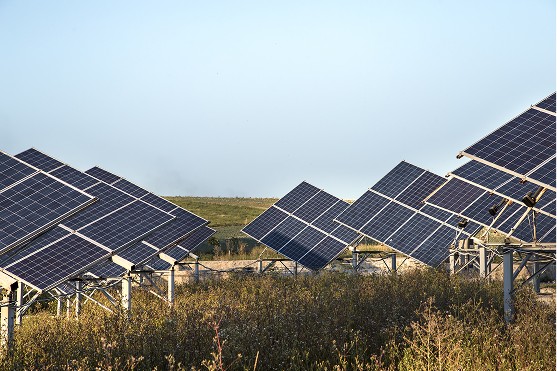
Photovoltaic Panels
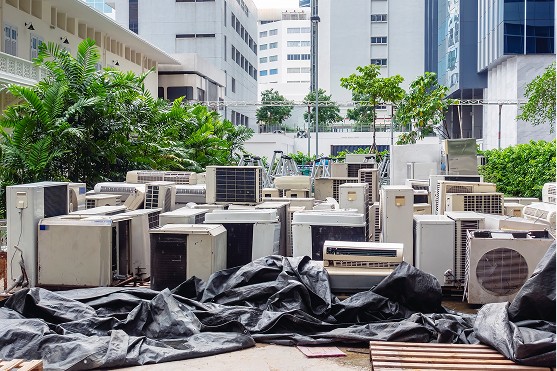
Consumer Electronic Equipments

Toys, Leisure and Sports Equipment

Medical Devices

Laboratory Instruments
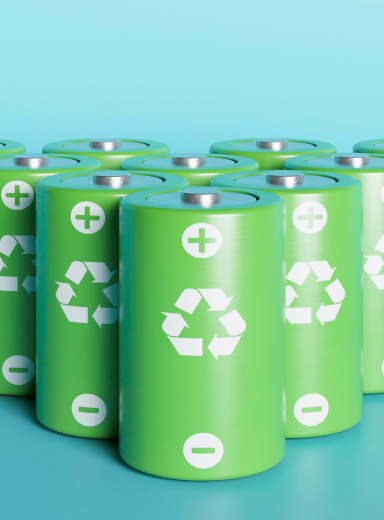
Battery Waste
Applicability
- Producer-
- Manufactures batteries/refurbished batteries/equipment under own brand
- Seller- Sell batteries/refurbished batteries/equipment from others under own brand
- Imports batteries or equipment with batteries
- Manufactures/ assembles Batteries/refurbished Batteries/equipment selling to Seller, without its own brand name
- Recycler- Recycling of Waste Battery
- Retrader- Repairing, re-conditioning, re-purposing of used Battery and/or its components
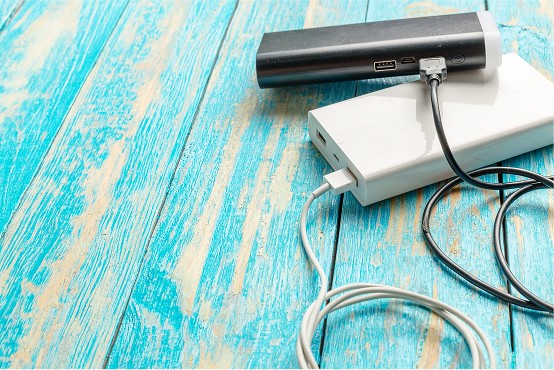
Portable Battery
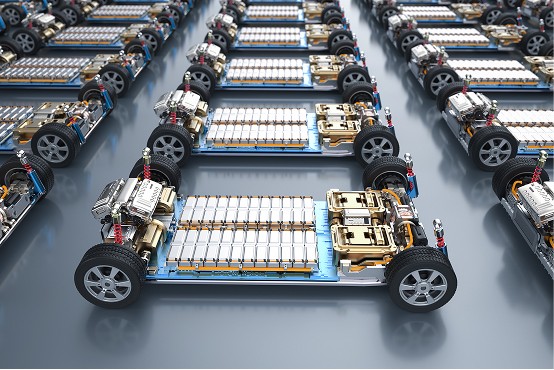
Electric Vehicle Battery
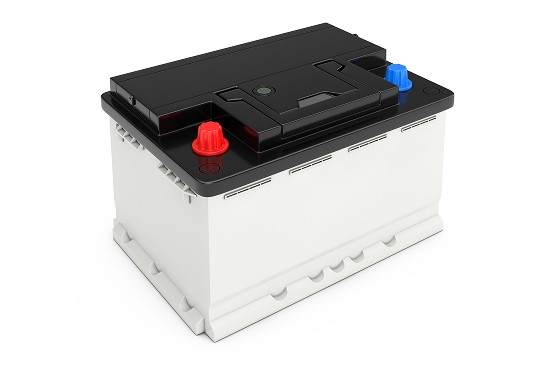
Automotive Battery
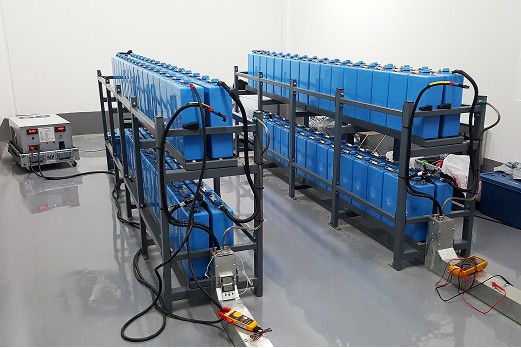
Industrial Battery
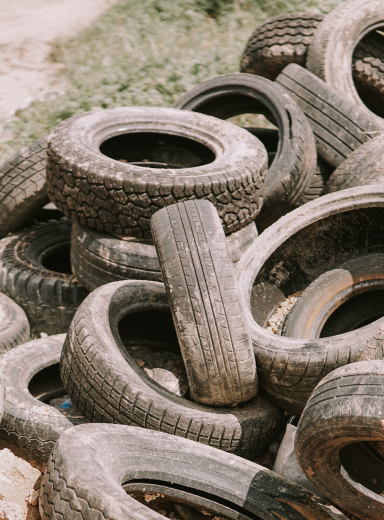
Tyre Waste
Applicability
- Producer:
- Manufactures and sells new tyres domestically
- Sells new tyres under own brand, or made by others
- Sells imported new tyres
- Imports vehicles with new tyres
- Automakers importing new tyres for domestic vehicles
- Imports waste tyres
- Recycler
- Retrader- Renewal of tread and side wall rubber of a worn-out tyres
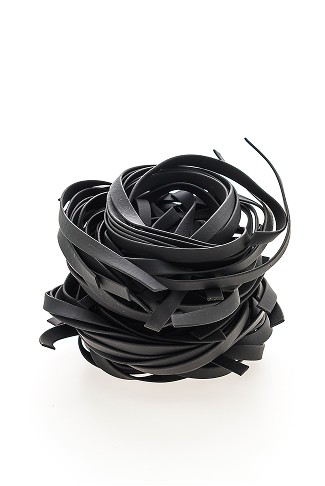
Reclaimed Rubber

Crumb Rubber

Recovered Carbon Black

Pyrolysis Oil

Steel Wire
Oil Waste
Applicability
- Producer-
- Manufactures/ Importers/ Sells of Base oil/ lubrication oil/ other products manufactured from base oil
- Manufactures/ Procures refined/ recycled Base oil/ lubrication oil and sells under its own brand/ co-brand
- Importers of used oil
- Collection agents- Collect and store the used oil, and supplies it to the recycler
- Recycler

Producing Re-refined Base Oil

Co-processing Used Oil not Suitable for Recycling
Upcoming mandates

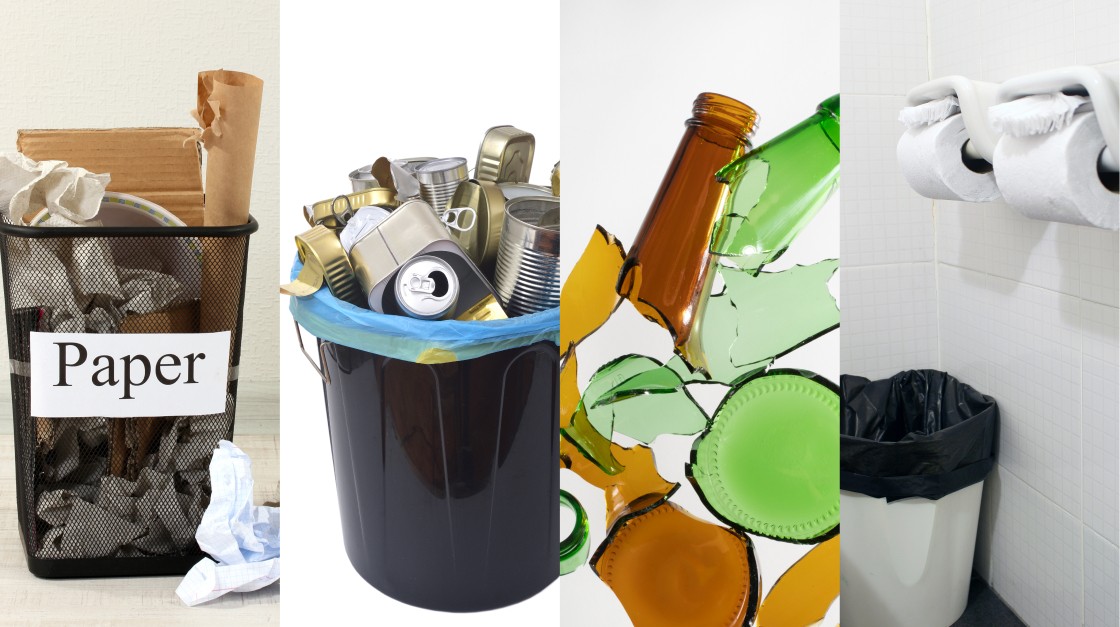
Draft released on 6th December, 2024 and shall come into effect from 01 April, 2026

Draft released on 9th December, 2024 and shall come into effect from 01 October, 2025
- Institutional users including buildings occupied by the
- Central government departments or undertakings, State government departments
- Local bodies,
- Public sector undertakings or private companies,
- Schools, colleges, universities, other educational institutions
- Commercial users including
- Commercial establishments including railways, bus stations/depots, airports, ports,
- Malls, Multiplexes,
- Hotels
- Hospitals, Nursing homes
- Hostels
- Wholesale Markets, including ―Mandis‖, for agricultural and horticultural produce, fish and meat
- Stadium and Sports complexes
- Residential societies
Draft released on 7th October, 2024 and shall come into effect from 01 October, 2025
Category of bulk user:
- Residential Societies
- Institutional/Commercial/Establishments viz government offices/ private offices
 Contact Us